Understanding Keratoconus: Causes, Symptoms & Treatment
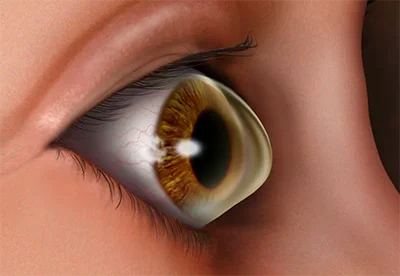
Keratoconus is a progressive eye condition in which the cornea becomes thin and bulges outward into a cone-like shape. This irregular shape affects the way light enters the eye, causing blurred and distorted vision.
What Causes Keratoconus?
The exact cause is not always known, but common risk factors include:
- Genetic predisposition
- Excessive eye rubbing
- Chronic eye allergies
- Weak corneal tissue
Keratoconus usually develops during teenage years or early adulthood.
Symptoms of Keratoconus
- Blurred or distorted vision
- Increased sensitivity to light
- Frequent change in glasses number
- Difficulty seeing at night
- Eye strain and headaches
Treatment Options
Treatment depends on the severity of the condition:
- Glasses or soft contact lenses in early stages
- Rigid contact lenses for better vision correction
- Corneal collagen cross-linking (C3R) to stop progression
- Corneal transplant in advanced cases
Early diagnosis and timely treatment can help slow the progression of keratoconus and preserve vision. Regular eye checkups are important, especially for young individuals experiencing rapidly changing vision.